


Expats Gardening Tips: Insights for Expats
Moving to a new country is exciting, but it also comes with challenges—especially when it comes to gardening. If you’ve recently settled in Belgium or its surrounding areas like Brussels, Leuven, Tervuren, or Waterloo, you might find yourself wondering how to create and maintain a thriving garden in an unfamiliar climate and soil. I’ve been there, and I’m here to share practical, easy-to-follow gardening tips and insights tailored just for expats like you. Let’s dive in and make your outdoor space a beautiful retreat!
Understanding the Local Climate and Soil: Expats Gardening Tips: Insights for Expats
One of the first things I learned about gardening in Belgium is that the climate is quite different from what I was used to. Belgium has a temperate maritime climate, which means mild summers, cool winters, and quite a bit of rainfall throughout the year. This climate is great for many plants but requires some adjustments if you come from a drier or hotter region.
Here’s what you need to know:
Soil type: Belgian soil tends to be clayey and can retain water, which is great for moisture-loving plants but can cause drainage problems for others. Testing your soil pH and texture is a smart first step. You can get a simple soil test kit from local garden centres.
Seasonal changes: Winters can be cold but rarely extreme, so frost-sensitive plants need protection. Summers are mild, so heat-loving plants might need extra care.
Rainfall: Frequent rain means you might not need to water daily, but good drainage is crucial to avoid root rot.
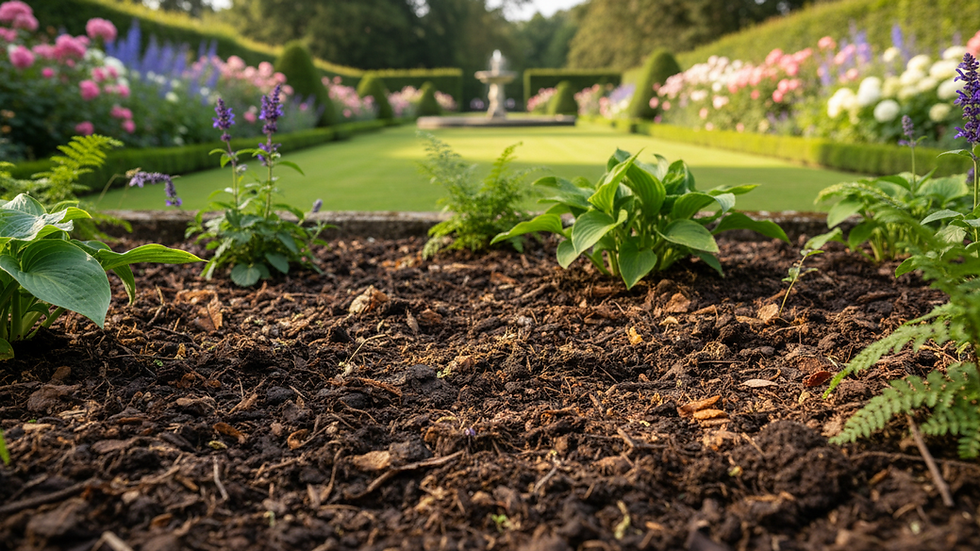
Actionable tip: Amend heavy clay soil with organic matter like compost or well-rotted manure to improve drainage and fertility. Raised beds are also a great option if your soil is very compacted.
Choosing the Right Plants for Your Belgian Garden
Selecting plants that thrive in your new environment is key to gardening success. I quickly realized that native and well-adapted plants make gardening easier and more rewarding. Here are some plants that do well in Belgium’s climate:
Perennials: Lavender, hostas, and echinacea are hardy and low-maintenance.
Vegetables: Brussels sprouts, kale, and carrots grow well in the cooler climate.
Herbs: Parsley, chives, and thyme are perfect for kitchen gardens.
Flowers: Tulips and daffodils are classic spring bulbs that brighten any garden.
When choosing plants, consider their sunlight needs. Belgium’s weather can be cloudy, so plants that tolerate partial shade often perform better.
Pro tip: Visit local botanical gardens or nurseries to see what plants are popular and thriving. This gives you a good idea of what will work in your own garden.
Creating a Garden Calendar: Timing is Everything
Gardening in a new country means adjusting to a different growing calendar. I found that planning my gardening activities around Belgium’s seasons helped me stay on track and avoid common pitfalls.
Here’s a simple seasonal guide:
Spring (March to May): Start sowing seeds indoors for tomatoes, peppers, and herbs. Prepare beds by clearing debris and adding compost.
Summer (June to August): Plant out seedlings, water regularly, and keep an eye out for pests.
Autumn (September to November): Harvest vegetables, plant bulbs for spring, and mulch beds to protect roots.
Winter (December to February): Prune trees and shrubs, plan next year’s garden, and protect sensitive plants from frost.
Using a garden calendar tailored to Belgium’s climate helps you stay organized and ensures your plants get the care they need at the right time.

Practical Tips for Garden Maintenance and Pest Control
Maintaining a garden in Belgium means dealing with moisture-related issues and local pests. Here are some tips that have worked well for me:
Watering: Because of frequent rain, avoid overwatering. Check soil moisture before watering.
Mulching: Mulch helps retain moisture, suppress weeds, and improve soil quality.
Pest control: Slugs and snails are common here. Use natural deterrents like crushed eggshells or beer traps.
Pruning: Regular pruning keeps plants healthy and encourages growth. Late winter is a good time for most shrubs.
Remember, gardening is a learning process. Don’t be discouraged by setbacks. Each season brings new lessons!
Making the Most of Your Outdoor Space: Design Ideas for Expats
Whether you have a small balcony, a courtyard, or a larger garden, making the most of your outdoor space is rewarding. Here are some ideas that helped me create a welcoming garden:
Container gardening: Perfect for renters or those with limited space. Use pots for herbs, flowers, and even small vegetables.
Vertical gardens: Use trellises or wall-mounted planters to save space and add greenery.
Seating areas: Create a cozy spot with chairs or a bench to enjoy your garden.
Wildlife-friendly plants: Attract bees and butterflies with native flowers to support local biodiversity.
Gardening is not just about plants; it’s about creating a space where you feel at home and connected to nature.
If you want more detailed advice and inspiration, check out this gardening blog for expats that offers tailored tips for gardeners in Belgium.
Embracing the Joy of Gardening in Your New Home
Gardening is a wonderful way to connect with your new environment and create a sense of belonging. It takes patience, but the rewards are worth it. Watching your plants grow, harvesting fresh vegetables, and enjoying a peaceful garden space can make your expat experience even richer.
Remember, every garden is unique, just like every gardener. Use these expats gardening tips as a starting point, and don’t hesitate to experiment and learn. Your garden will flourish with your care and attention.
Happy gardening!
If you’re in Brussels, Leuven, Tervuren, or Waterloo and want professional help to keep your garden beautiful year-round, consider reaching out to local experts who understand the regional climate and soil. They can provide reliable, high-quality garden care tailored to your needs.
Gardening is a journey - enjoy every step!
Contact My Garden At Home:
Contact the team right now with any questions or to book a free price quote.:
Drop us a message via WhatsApp: +32 466 900 281
Email the team: info@gardenathome.be
Give us a call on: +32 2 808 70 31
Visit our website: mygardenathome.be


