How to Edge a Residential Lawn for a Tidy Finish
- Garden At Home
- 11 minutes ago
- 5 min read
A lawn can be freshly mown and still look unfinished if the grass has crept over paths, borders and terrace edges. Learning how to edge a residential lawn is one of the quickest ways to make a garden look cared for, whether you have a compact Brussels town garden or a larger family lawn in Tervuren, Waterloo or Leuven.
Edging is not about cutting a deep trench around every border. Done well, it creates a clean, intentional line between lawn and hard surfaces, keeps grass out of planting beds and makes regular mowing easier. Done too aggressively, it can damage turf roots, leave bare strips and create more maintenance than necessary. The right method depends on the edge you have, the condition of your grass and how often you want to maintain it.
Start by deciding what needs an edge
Walk around the lawn before bringing out any tools. Look at where grass meets paving, gravel, flower beds, fences and driveways. These areas need different treatment.
Along a paved path or terrace, the goal is usually to remove grass that is spreading over the surface. Along a planted border, you may need to redefine the soil line and stop the lawn from invading shrubs or perennials. A lawn beside gravel requires care, as a metal blade can easily scatter stones or damage a membrane beneath.
A recent garden tidy-up in Leuven showed why this first inspection matters. The lawn itself was healthy, but grass had grown over the brick path by several centimetres and softened the outline of every border. After mowing, reshaping the border lines and trimming the path edges, the garden looked noticeably larger and more organised. No new planting was needed. The improvement came from making the existing layout visible again.
Tools for edging a residential lawn
For a small lawn, hand tools are often enough and can give the most control. A half-moon edging iron is useful for cutting a sharp line into soil beside borders. Long-handled edging shears work well for trimming grass that hangs over paving after mowing.
For larger gardens or regular maintenance, a string trimmer is faster. Use it carefully: the line can scalp the lawn, strip bark from young shrubs and send debris towards windows or parked cars. Hold the cutting head level, work slowly and avoid pressing it into the soil.
A lawn edger with a dedicated blade gives a very straight result beside long driveways and paths, but it is not essential for most residential gardens. In many homes, a combination of a mower, edging shears and a hand edger is more practical. Wear sturdy shoes, gloves and eye protection, especially when working near gravel or paving.
How to edge a residential lawn step by step
Mow first, ideally when the grass is dry. A short, even lawn makes the true edge easier to see and prevents long clippings from hiding your work. Do not cut the lawn extremely low before edging. Grass that is already stressed by heat, shade or dry weather recovers more slowly from any close trimming.
Define borders with a hand edger
For a soil border, place the edging iron where you want the new line to sit. Keep the blade vertical and press down with your foot to make a clean cut, usually around 5 to 8 cm deep. Move along in short sections rather than trying to force a long continuous line.
Lift out the strip of turf only where it has spread into the border. If the edge is simply blurred rather than badly overgrown, a clean vertical cut may be enough. Avoid digging a wide channel. An exaggerated trench can collect water, expose roots and make the garden look harsh.
Curved borders should be shaped with calm, sweeping movements. If you are unsure of the line, lay out a hose first. It is easier to adjust a hose than to repair a wobbly cut in established turf.
Trim paved edges without scalping the grass
For paths and patios, use edging shears or a string trimmer to remove grass growing sideways over the hard surface. Follow the line of the paving rather than cutting down into the lawn. The aim is a neat vertical face, not a strip of bare soil.
Keep the trimmer line parallel with the pavement and make light passes. This is especially important in dry Belgian summers, when scalped grass can turn yellow or brown quickly. Sweep up the clippings afterwards. A clean path is part of the finished result.
Clear the cut material and check the finish
Remove loosened turf, weeds and clippings from the border. If a bed is mulched, pull the mulch back slightly before cutting, then return it once the edge is defined. This helps the line stay visible and reduces the chance of grass runners taking hold again.
Finally, stand back from the garden and check the shape from the house, terrace or main entrance. This viewpoint matters most. A professional-looking edge should guide the eye around the lawn without looking artificially rigid.
When to edge your lawn in Belgium
For most residential gardens, edging every two to four weeks during active growing season is enough. Fast-growing lawns in spring may need attention more often, particularly after wet weather. In summer, reduce the frequency if the grass is under drought stress. It is better to accept a slightly softer line than to repeatedly cut weakened turf.
A more substantial border reshaping is usually best in spring or early autumn, when the soil is workable and grass can recover. Avoid cutting deep edges when the ground is frozen, waterlogged or baked hard. If you are preparing a property for sale, hosting guests or returning from a long holiday, a one-off lawn edge can make a surprisingly strong first impression.
Common edging mistakes to avoid
The most common mistake is cutting too low. A neat edge is created by definition, not by removing healthy grass. Repeatedly shaving the same strip can expose soil and invite weeds, moss and dry patches.
Another issue is edging before mowing. The mower can leave clippings on the newly finished border and may make it harder to see where further trimming is needed. Mow first, edge second, then clear up.
It is also easy to overlook the rest of the lawn. If the grass is compacted, thin or full of weeds, a crisp edge will improve the appearance but cannot solve the underlying problem. Lawn care works best as a routine: mowing at the right height, seasonal feeding where appropriate, watering sensibly and addressing bare areas before they spread.
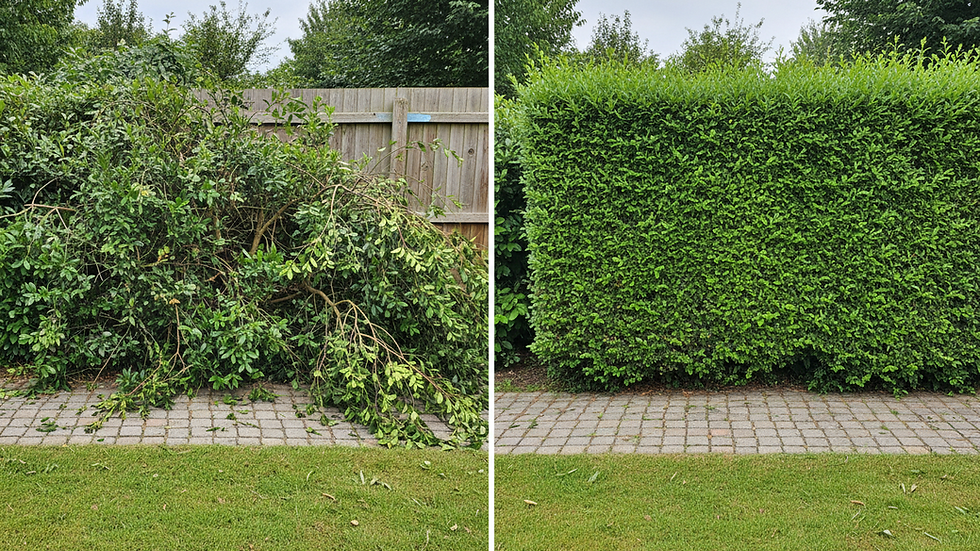
For very overgrown gardens, do not expect a single pass to create a perfect result. Thick turf may need to be cut back in stages, borders may need fresh mulch, and hidden paving edges may need careful cleaning before their original line appears. That extra preparation is often what separates a quick trim from a genuine before-and-after transformation.
When professional lawn edging makes sense
DIY edging is manageable for many homeowners, but professional help can save time when a garden has been neglected, the borders are extensive or the lawn meets several different surfaces. It is also useful for rental properties, business premises and homes where the garden needs to look presentable without adding another weekend task.
An insured garden team can combine edging with mowing, weeding, hedge trimming, pruning and a seasonal tidy-up in one visit. For busy households and expats, clear communication and a reliable maintenance schedule can be more valuable than owning another tool that sits in the shed most of the year.
A clean lawn edge does more than frame the grass. It restores order to the whole garden, makes planted areas stand out and gives you a space that feels ready to enjoy rather than another job waiting to be done.
Contact My Garden At Home
Need help bringing tired lawn edges, borders or an overgrown garden back into shape? Send a message for a fast quote and dependable garden care.
• WhatsApp: +32 466 900 281 • Email: info@gardenathome.be • Phone: +32 2 808 70 31 • Website: mygardenathome.be