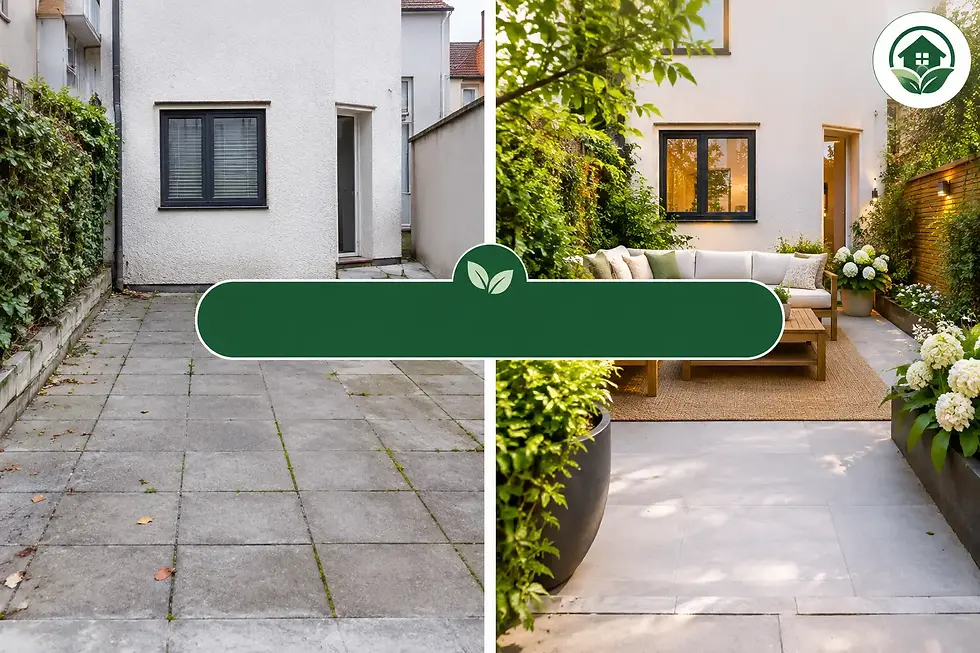
Compost Versus Fertiliser: What Your Garden Needs
A lawn can look pale after winter, roses can flower poorly, and border soil can turn hard and dry even when it has been watered. In these situations, the compost versus fertiliser question matters. They are often used as if they do the same job, but they solve different problems. Choosing the right one can mean the difference between a quick burst of growth and a garden that stays healthy through the season.
For busy homeowners, the practical answer is usually not compost or fertiliser. It is knowing what the soil and plants need first, then applying the right material at the right time. This is especially useful after a garden clean-up, when bare patches, compacted beds and tired lawns become much easier to see.
Compost Versus Fertiliser: The Main Difference
Compost improves the soil itself. Fertiliser feeds plants more directly. That simple distinction helps with nearly every garden decision, from reviving a lawn to preparing pots on a terrace.
What compost does
Compost is broken-down organic material, such as green waste, leaves and well-rotted plant matter. When spread over borders or worked into soil, it adds organic matter and supports the organisms that keep soil alive. It helps sandy soil hold more moisture and can make heavy clay soil more open and workable.
It does not normally deliver a fast, dramatic growth response. Instead, compost steadily improves soil structure, moisture retention and nutrient availability. Think of it as long-term groundwork. A border with better soil is less likely to dry out quickly, become compacted or struggle after hot weather.
Compost is particularly useful for new planting areas, vegetable beds, shrubs, hedges and perennial borders. It can also be used as a mulch around established plants, provided it is kept away from stems and trunks.
What fertiliser does
Fertiliser provides concentrated nutrients that plants can use quickly. The key nutrients are nitrogen for leafy growth, phosphorus for roots and flowering, and potassium for overall strength, flowering and fruiting. Different products contain these in different proportions, so a lawn feed is not necessarily the right choice for roses or container plants.
A suitable fertiliser can help a hungry lawn green up, support flowering plants during their growing period and give pots the nutrients they lose through regular watering. But it does not repair poor soil structure. If water runs off a compacted lawn or a border dries out within days, adding fertiliser alone will not address the root cause.
Use fertiliser carefully. Too much can scorch roots, encourage soft growth that is more vulnerable to pests and disease, or run off into drains. More product is not better gardening.
When Should You Use Compost or Fertiliser?
Start by looking at the problem rather than reaching for a bag. Soil that is thin, dry, claggy or lifeless usually benefits from compost. Plants that are established but pale, slow-growing or underperforming during the active season may need an appropriate fertiliser as well.
For a lawn, compost can improve the ground over time, especially after aeration or scarification. A seasonal lawn fertiliser can then support greener, denser growth. In borders, compost is often best applied in spring or autumn, while fertiliser is used more selectively during the growing season when plants need extra support.
Pots and planters are the exception where fertiliser is often essential. Their compost is limited, and regular watering washes nutrients away. Refreshing some of the old compost and using a measured feed gives container plants a far better chance of staying full and colourful.
A Before-and-After Garden Recovery in Leuven
A recent garden tidy-up in Leuven showed why this distinction is so useful. The garden had been left largely untouched over winter. The lawn was patchy and yellow-green, a hedge had dropped a thick layer of old leaves into the border, and the soil beneath the shrubs was compacted. The first instinct was understandable: feed everything.
Before any feed was applied, the team cleared the debris, weeded the beds, cut back dead growth and assessed the soil. The border was not simply short of nutrients. It had become dense and dry, meaning rain and fertiliser would have had little chance to reach plant roots evenly. The lawn also had a build-up of thatch and compacted areas near the path.
The recovery work began with soil improvement. Compost was added to the beds as a generous surface mulch, helping protect the soil and gradually improve its texture. The lawn was cleared and treated as a separate job, with the compacted areas opened up before a suitable lawn feed was considered. The shrubs were pruned only where needed, so they could put energy into healthy new growth rather than coping with a hard cut at the wrong time.
The after result was not an overnight transformation created by fertiliser. The garden looked tidier immediately, but the stronger change came over the following weeks: the borders held moisture better, fresh growth appeared more evenly, and the lawn began filling in where the soil had been given attention first. It is a useful reminder that feeding a garden works best after its growing conditions have been put right.
How to Apply Each One Properly
Compost is most effective when spread as a 3 to 5 cm layer across bare soil around plants. There is usually no need to dig deeply, as worms and weather will draw it down over time. On an empty bed, it can be lightly incorporated before planting. Avoid piling it against the base of hedges, trees or woody shrubs.
Fertiliser should always be matched to the task and applied according to the product instructions. Granular feeds are best scattered evenly onto damp soil and watered in if conditions are dry. Liquid feeds are convenient for pots and can give plants a quicker response, but they need regular measured application rather than an occasional heavy dose.
Timing matters. Do not fertilise a drought-stressed lawn or very dry border and expect good results. Water first, or wait for suitable rainfall. Likewise, avoid encouraging tender new growth just before a cold spell. For most gardens, spring is the main feeding period, with lighter, targeted support later in the season where plants need it.
Common Mistakes That Leave Gardens Looking Tired
The most common mistake is using fertiliser to compensate for neglected soil. It may improve the colour of foliage temporarily, but it will not solve drainage, compaction or poor moisture retention. The second is applying the same product everywhere. Lawns, roses, evergreen hedges, vegetables and balcony pots do not all have the same needs.
Another issue is applying compost that is not fully matured. Fresh or poorly processed material can tie up nutrients or contain weed seeds. Good compost should look dark and crumbly, with an earthy smell rather than a sour or unpleasant one.
Finally, do not confuse a neglected garden with a permanently damaged one. Many gardens in Brussels, Tervuren, Waterloo and Leuven look disappointing after winter simply because beds need clearing, soil needs improving and plants need the correct seasonal care. A structured clean-up often reveals that recovery is very achievable.
A healthier garden starts below the surface. If you are unsure whether your lawn, borders or containers need compost, fertiliser or both, a professional assessment can prevent wasted effort and give your outdoor space the right start for the season. Send My Garden At Home a message for practical help with garden clean-ups, soil improvement, lawn care and ongoing maintenance.
Contact My Garden At Home
• WhatsApp: +32 466 900 281 • Email: info@gardenathome.be • Phone: +32 2 808 70 31 • Website: mygardenathome.be