


How to Fix Overgrown Garden Areas Fast
When a garden has been left for a few weeks too long - or an entire season - it can go from manageable to overwhelming very quickly. If you are wondering how to fix overgrown garden areas without wasting weekends, money, and energy, the key is to stop seeing it as one giant mess and start treating it as a series of simple jobs in the right order.
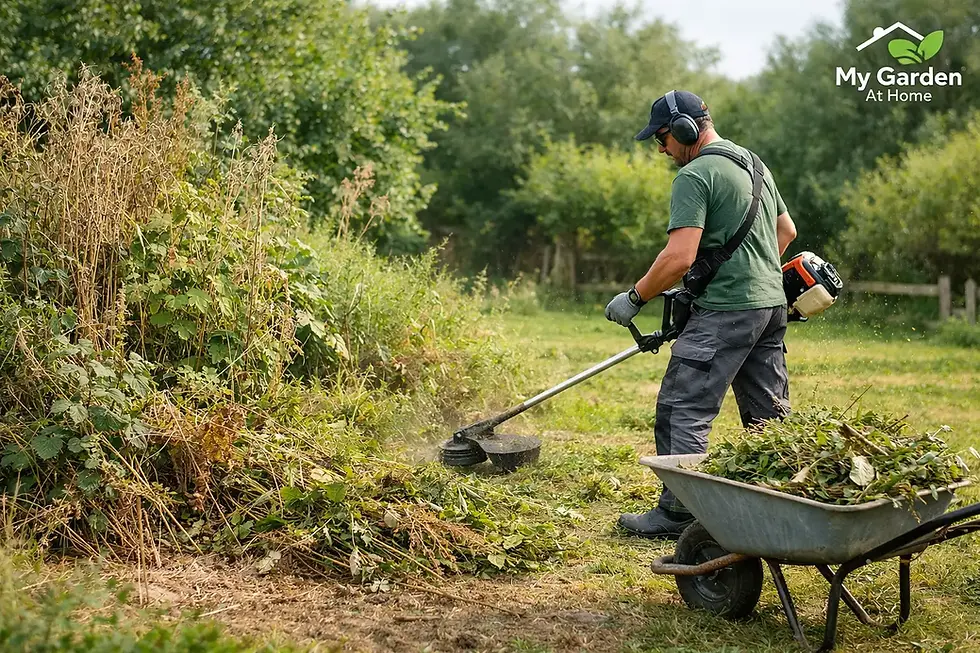
An overgrown garden rarely needs everything done at once. What it does need is a clear plan. Long grass, self-seeded weeds, tangled shrubs, fallen branches, and neglected borders all compete for attention, but some tasks make the rest far easier. Once you open up the space, remove the worst growth, and decide what stays, the whole garden becomes more workable.
Fix Overgrown Garden Areas - How to fix overgrown garden spaces without making it worse
The biggest mistake is starting in the middle with no structure. Many homeowners begin by trimming a hedge, pulling random weeds, or mowing very tall grass too short. That often creates more work, stresses plants, and leaves the garden looking patchy.
Start by walking the full space and checking three things - access, hazards, and priority areas. If paths have disappeared, thorny growth is blocking doors, or branches are hanging low, deal with those first. If there is broken fencing, hidden garden waste, slippery paving, or signs of pests, note that as well before touching anything.
Then divide the garden into zones. Front garden, lawn, borders, hedges, terrace, side access, and rear corners should each be treated as separate jobs. This matters because overgrown gardens often look worse than they are. One cleared section can improve the whole appearance and help you build momentum.
Start with clearance, not perfection
Before you think about planting, edging, or making the garden look polished, remove what is clearly dead, invasive, or out of control. This usually means cutting back brambles, nettles, tall annual weeds, and any growth that is smothering other plants.
Be careful not to strip everything back blindly. An overgrown border may still contain healthy shrubs, bulbs, perennials, or young trees hidden underneath the mess. If you are not sure what a plant is, it is usually better to reduce around it first and assess later. Fast clearance is useful, but aggressive cutting can ruin good structure.
At this stage, bagging and removing waste regularly makes a big difference. Piles of cuttings quickly take over the space, especially in compact city gardens and terraces. Keeping the site clear as you work helps you see progress and avoids trampling areas you have already sorted.
Tackle the grass with patience
An overgrown lawn needs a gentler approach than many people expect. If grass is very long, mowing it down in one go can clog the machine, scalp the surface, and leave yellow or bare patches. Cut it in stages instead.
The first pass should just reduce height. The second and third cuts can come over the following days, each a little lower. If the lawn is mixed with weeds, moss, and rough patches, that is normal after neglect. You do not need a perfect finish immediately. The goal is to bring it back under control first, then improve it.
Once the lawn is cut to a sensible height, rake out thatch, remove obvious weeds where practical, and inspect the soil. Compacted ground, patchy drainage, and shaded areas may be part of the reason the lawn became scruffy in the first place. In some gardens, recovery is realistic. In others, partial re-seeding or turf repair may save time.
Cut back shrubs and hedges the right way
Shrubs and hedges are often what make a garden feel neglected, especially when they block light or spread into paths and terraces. A controlled reduction can transform the whole space, but timing matters.
Light reshaping is usually fine when growth is getting untidy. Hard pruning is more dependent on species and season. Some shrubs respond well to being cut back strongly, while others need a more gradual approach. Flowering plants can also lose next season's blooms if pruned at the wrong moment.
Hedges should be trimmed to restore shape, but not cut back into old bare wood unless the variety tolerates it. If a hedge has become too wide or too tall, a staged reduction is often the safer option. It may take longer, but it avoids shock and gives a better long-term result.
If a garden has been neglected for many months, there is often a trade-off between speed and finish. A quick reduction gets things tidy again, while a more careful restorative prune protects plant health and future growth. It depends on your priority - immediate appearance, long-term structure, or both.
Clear borders and decide what deserves to stay
Once the tallest and most aggressive growth is under control, borders become easier to read. This is where you can start making decisions rather than simply reacting to the mess.
Pull or dig out weeds before they seed again. Remove obvious duplicates or self-seeded plants that have appeared where they are not wanted. Then look at the backbone of the garden - the shrubs, small trees, evergreen shape, and any reliable perennials worth keeping.
A common problem in overgrown gardens is overcrowding. Plants that were once neat and balanced have merged into one dense mass. Thinning selected plants can improve airflow, reduce disease risk, and make the space look larger. It also gives remaining plants room to perform properly.
Mulching afterwards helps more than many people realise. A good layer of mulch improves appearance straight away, suppresses future weed growth, and supports the soil. In a garden that has only recently been reclaimed, this can be one of the quickest ways to keep the improvement visible.
Deal with paving, terraces, and edges
Hard surfaces tend to reveal neglect very quickly. Weeds in joints, algae, leaf staining, and built-up debris can make an otherwise decent garden feel uncared for.
Sweep first, then remove weeds by hand or with the right treatment, depending on the surface and surrounding plants. Pressure washing can be effective, but it is not always the best first move. On older pointing or delicate surfaces, it can cause damage or leave joints exposed. Sometimes a slower clean with brushing, scraping, and targeted washing gives a better result.
Pay attention to edging as well. Neat lawn edges and clean border lines make a strong visual difference. Even if planting is still a work in progress, clear edges make the whole garden look more intentional.
When an overgrown garden needs professional help
Some gardens can be sorted in a weekend. Others need a team, proper equipment, and green waste removal from the start. If the area is large, if access is difficult, if hedges are well beyond routine trimming, or if the garden has been neglected through a tenancy change, house move, or long absence, professional help often works out faster and cheaper than trying to chip away at it alone.
This is especially true for busy homeowners, landlords, expats, and property managers who want the garden presentable quickly. In places such as Brussels, Tervuren, Waterloo, and Leuven, outdoor spaces are often expected to stay tidy year-round, but many clients simply do not have the time to manage recovery themselves.
A professional tidy-up also makes sense if you want more than a one-off clearance. Once a garden has been restored, regular mowing, hedge trimming, pruning, seasonal clean-ups, and weed control stop it sliding back to the same condition.
How to keep it from becoming overgrown again
The easiest garden to maintain is one that suits the time you actually have. If you dislike frequent upkeep, simplify the layout. Reduce awkward planting pockets, choose lower-maintenance shrubs, and avoid adding features that need constant attention.
Build a realistic rhythm instead of waiting for everything to become urgent again. Lawns need regular cutting in the growing season. Hedges need trimming before they become oversized. Borders need light, repeated weeding rather than major rescue work. Small jobs done at the right time are always easier than one big recovery.
If you travel often, own a second property, or manage a rental, scheduled maintenance is often the safest option. A garden does not need to be formal to look cared for. It just needs consistent attention.
If your outdoor space has got away from you and you want it brought back under control properly, My Garden At Home can help with one-off clearances and ongoing maintenance for homes, terraces, and larger properties.
Contact My Garden At Home:
WhatsApp +32 466 900 281
Email info@gardenathome.be
Phone +32 2 808 70 31
Website mygardenathome.be
A tidy garden does not start with perfection. It starts with one clear step, then the next, until the space feels usable again.


